What to look out for when choosing driveways and tarmac work
1. Experience and Reputation
Look for contractors with several years of experience installing driveways and laying tarmac.
• Check online reviews (Google, Trustpilot, etc.).
• Ask for local references or past customer testimonials.
• See if they have completed projects similar to what you want.
A reputable company should have photos of previous work and be happy to show them.
2. Portfolio of Previous Work
Ask to see examples of:
• Tarmac driveways
• Block paving
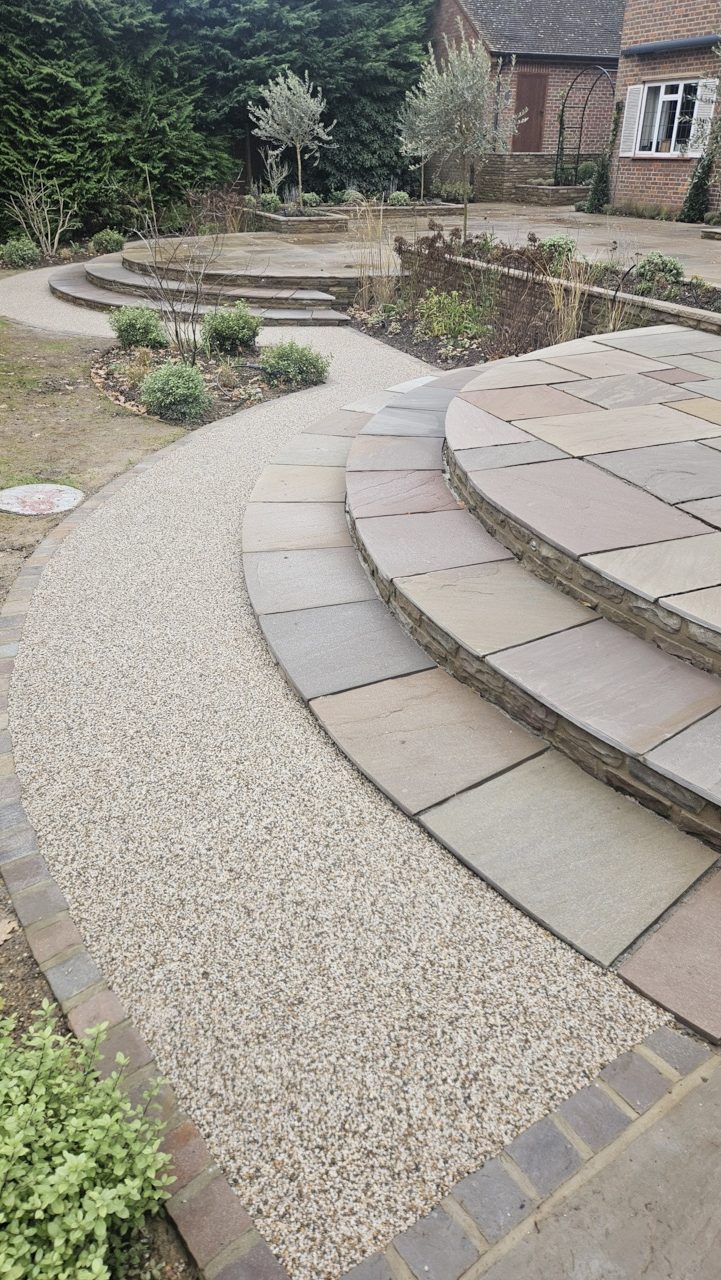
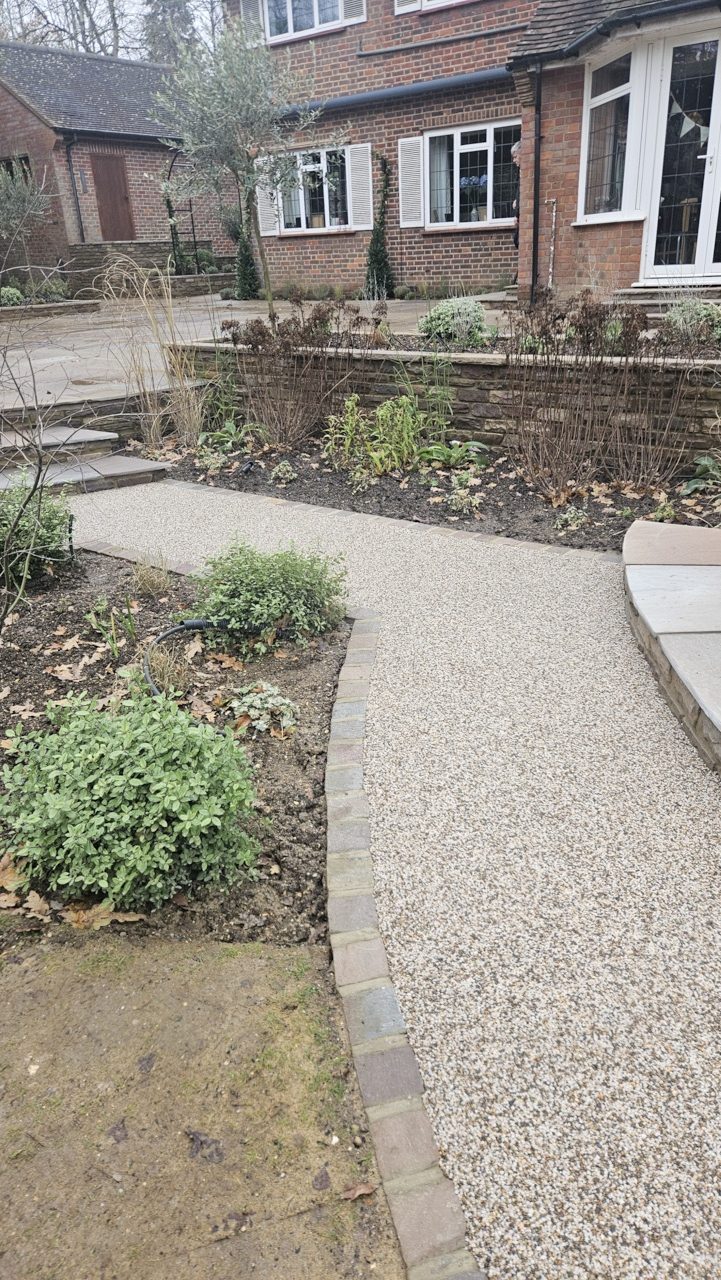
• Resin-bound driveways
• Gravel driveways
A good contractor will often have before-and-after photos and may even let you visit a nearby completed job.
3. Proper Ground Preparation
One of the most important factors is what’s underneath the driveway.
A quality driveway should include:
• Excavation of existing ground
• A solid sub-base (usually MOT Type 1 or MOT Type 3 stone)
• Proper compaction
• Correct drainage
Poor groundwork is the main reason driveways sink or crack later.
4. Thickness and Quality of Materials
Ask about the materials being used.
For example with tarmac:
• Minimum 75 -100mm thickness is typical for residential driveways.
• Quality asphalt mix – Stone Mastic Asphalts are now an industry standard with polymodified binders regularly used.
• Strong edging (kerb stones or block edging)
Cheap quotes often mean thin layers or poor materials.
5. Drainage Solutions
A professional contractor will consider drainage to avoid water pooling.
This might include:
• Slight slope away from the house
• Drainage channels
• Soakaways
• Permeable surfaces – Resinbound Surfaces are now very popular– Sureset Resin Systems are fully SUDS compliant and helpful to mitigate surface water run off.
This is especially important due to UK drainage regulations.
6. Written Quote and Clear Pricing
Always get a detailed written quote including:
• Ground preparation
• Materials
• Labour
• Waste removal
• Edging or extras
Avoid vague quotes like “driveway £2,000 all in.”
7. Warranty or Guarantee
A reliable company should offer a written guarantee for their work.
Typical guarantees:
• 5–10 years on installation
• Materials warranties if applicable
8. Insurance and Professionalism
Check that the contractor has:
• Public liability insurance
• Proper business contact details
• A registered company (if applicable)
This protects you if anything goes wrong.
9. No High-Pressure Sales
Be cautious if someone:
• Says they have “materials left from another job”
• Demands cash-only payment
• Pushes you to decide immediately
These are common driveway scam tactics.
10. Compare Multiple Quotes
Get at least 2–3 quotes before deciding.
This helps you:
• Understand fair pricing
• Compare materials and methods
• Spot unusually cheap or expensive offers
Quick tip: The cheapest quote is rarely the best. A well-installed driveway should last 15–25 years, so quality matters more than saving a little upfront.